



Pubs and night-time venues across Wiltshire have spoken out about the ‘tough’ times ahead following a major announcement from the government.
In late January, the government announced plans for a package of discounts on pubs' and music venues' business rates, which are expected to see a significant increase from April following the latest national budget.
The package promises pubs a 15 per cent cut to new business rates bills from April for two years. According to ministers, the policy will save the average pub an additional £1,650 in 2026/27.
They added that around 75 per cent of pubs will see their bills fall or stay flat over the same year with the pub sector as a whole paying 8 per cent less in business rates in 2029 than they do currently.
The move followed a backlash from the hospitality industry in the wake of the November budget, which left businesses across the country facing steep rises to their bills from business rate hikes due to rate revaluations. Many pubs across the UK banned Labour MPs from their premises.
While both the business rate hikes nor the discounts yet to come into effect, hospitality figures around Trowbridge and wider west Wiltshire say the immediate future facing the industry appears tough.
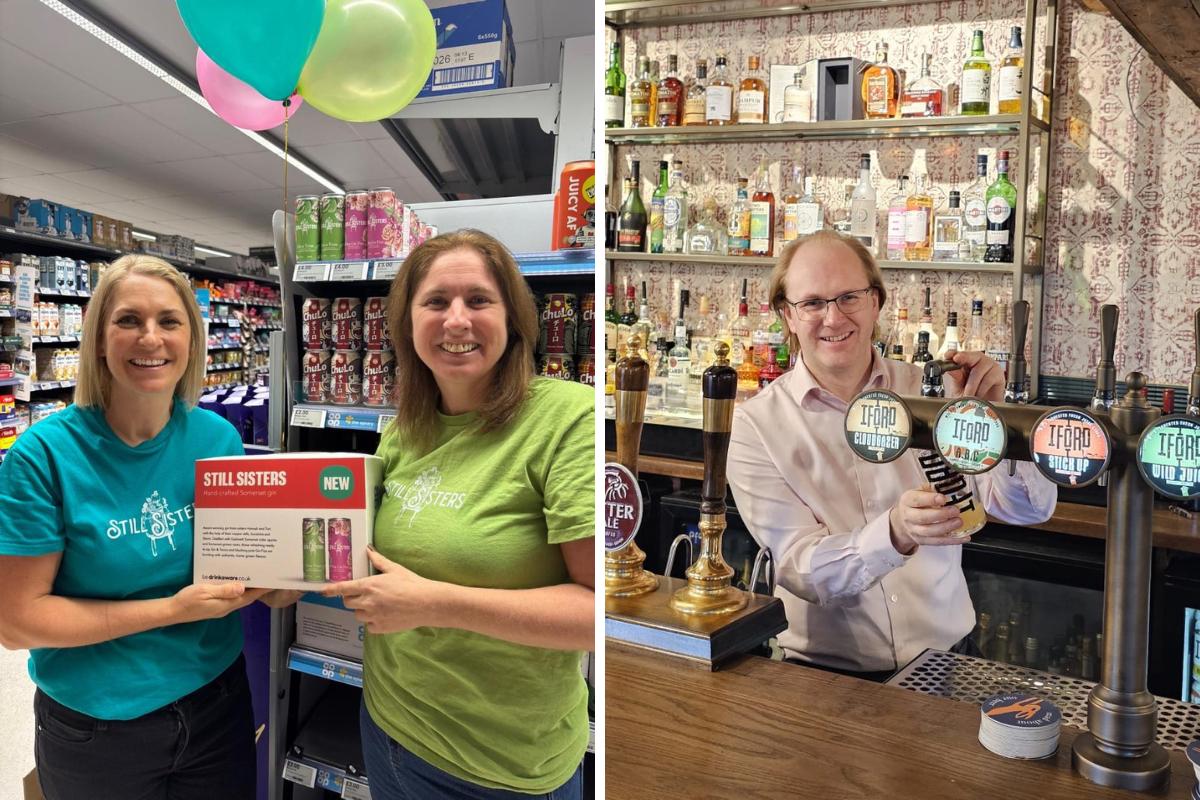
Tori Jordan, co-founder of Still Sisters and a local ambassador for the town’s hospitality industry, argues a holistic approach that addresses the root causes of long-term costs has to be the way forward if the goal is easing pressure on the sector.
She said: “Any support for the night-time economy is welcome, but funding alone won't secure the future of independent venues.
“Without addressing long-term cost pressures and declining footfall, financial packages risk delaying closures rather than preventing them.
“Independents in the night-time economy play a vital role in our communities, and protecting them requires sustained, practical support.”

Suggested reading:
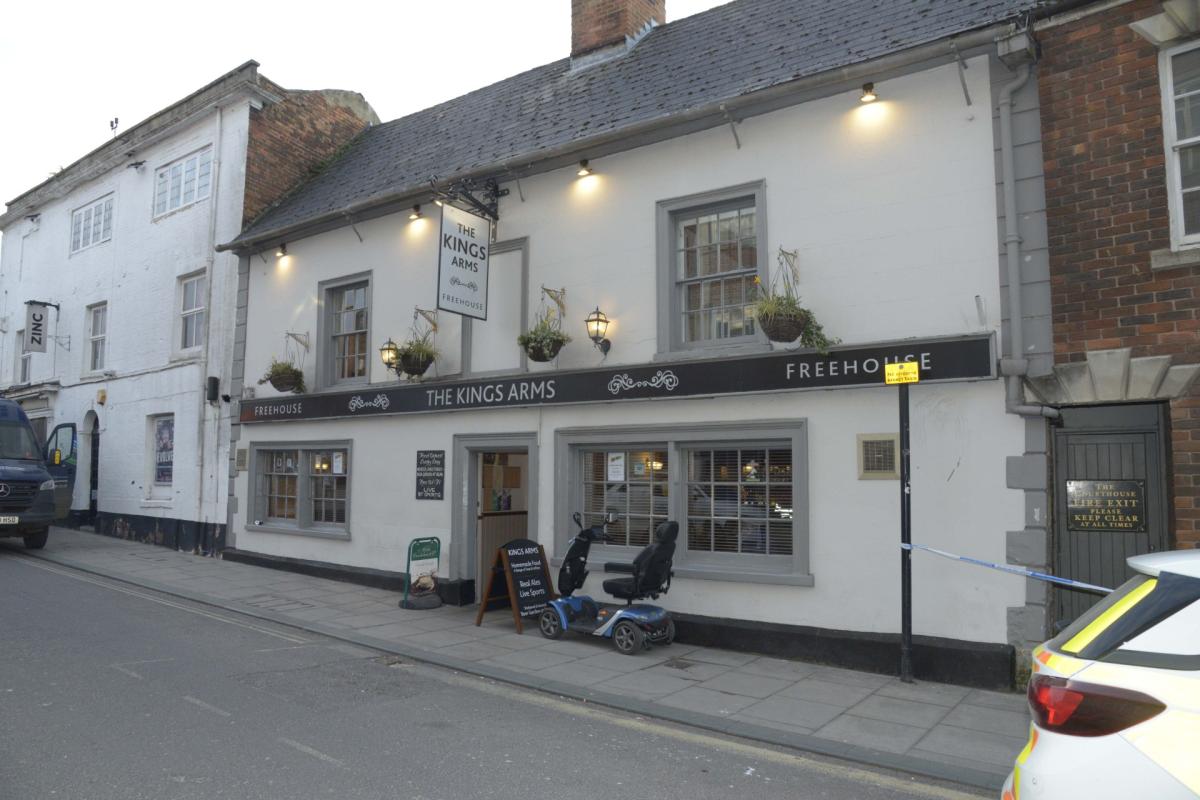
Mike Lefever of the Kings Arms on Castle Street, meanwhile, said he would hold off discussing the proposals until they came into effect. However, he did say it had been a difficult year for pubs, and that the tax system was not working.
He said: “The job tax [employer’s national insurance] was the real killer.”
The landlord said it had become too expensive for him to hire new staff, and that he hasn’t been able to do so since the budget was announced.
He continued: “We haven’t taken on a single person, and haven’t replaced anyone that has left in the year and half since the budget was announced.
“When people have left, we haven’t replaced them. No one’s been made redundant, but we aren’t taking people on. Taxing jobs seems a bit crazy to me.”
He also highlighted claims that the national insurance hike on employers would avoid working people taking on extra cost, saying that “ultimately it will be working people who pay for all of that.”
Further afield into rural areas of west Wiltshire, William Cartwright-Hignett, who owns and runs Iford Manor and who recently bought The Cross Guns at Avoncliff and the Inn at Freshford all near Bradford on Avon, also said he would wait and see how the policy pans out to comment on the discount plan.
However, he said his pubs have seen an “enormous hike” in their rates, and that the sector as a whole will be hit hard by proposed changed to business rates.
Mr Cartwright-Hignett said: “The business rates revaluation exercise which is going on…that revaluation has seen the business rates at Avoncliff [The Cross Guns] triple and at Freshford [The Inn] double.
“The system of valuation is questionable. It does feel like they’re asking quite busy people to spend a lot of time and also money questioning something that should have been thought through.
“We’re also seeing major challenges with finding people to fill jobs. At the same time, we get an enormous postbag of people applying. The whole thing is contradictory.
“It’s going to be a tough few years.”
Nevertheless, Mr Cartwright-Hignett also struck an upbeat note by highlighting the effect of positive relationships between pubs and their customers.
He said: “What does help is when nice people come and say they appreciate the work… people are good about it, they mostly understand.”

Share