


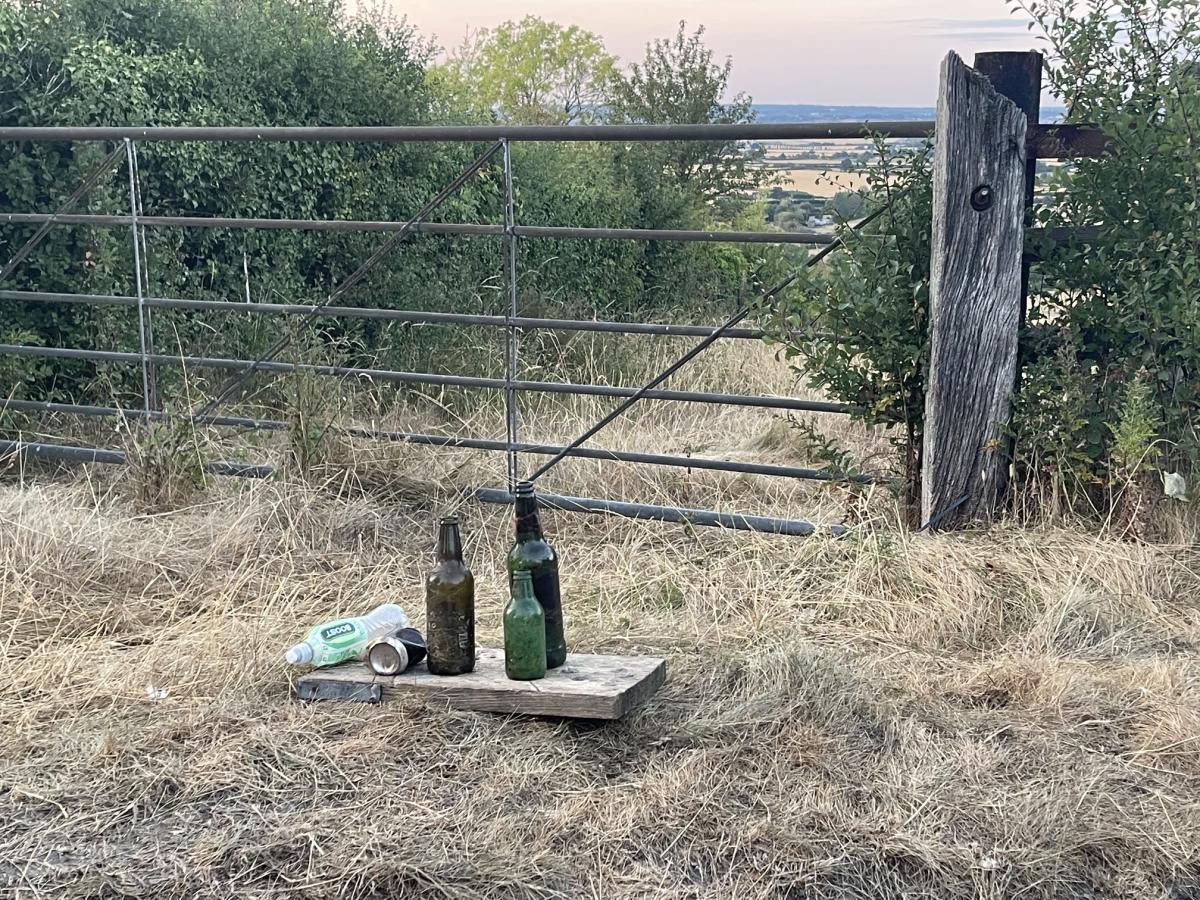

48 hours after a wildfire devastated one of Wiltshire's most iconic landmarks, visitors were smoking cigarettes, and glass bottles were discarded next to tinder-dry grass near the scene of the blaze.
My trip to the Westbury White Horse came less than 24 hours after the government had sent a rare Emergency Alert to all mobile phone users, asking them not to "undertake any activity that could start a fire."
The alert warned: "Even a small flame can rapidly develop into a major wildfire."
At the height of the Westbury White Horse blaze on August 13, six fire crews battled to bring the fire under control.
Read more
Pictures show devastation caused to historic building by blaze
MP raises alarm over closure of four Wiltshire fire stations
Vape thought to be cause of recycling centre blaze on first anniversary of ban
During my walk, I saw first-hand the devastation caused to the home of one of Wiltshire's eight white horses - and the site of a 2,000-year-old hillfort.
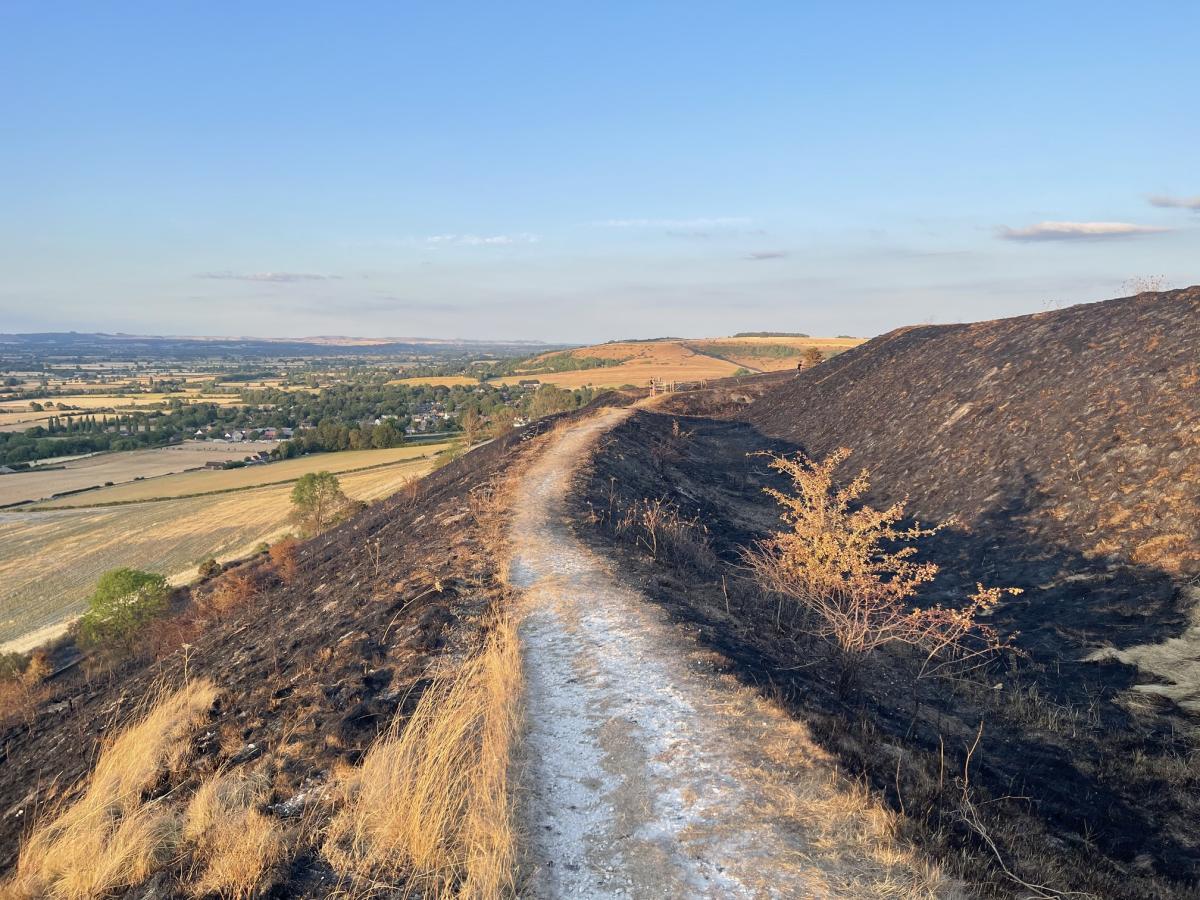
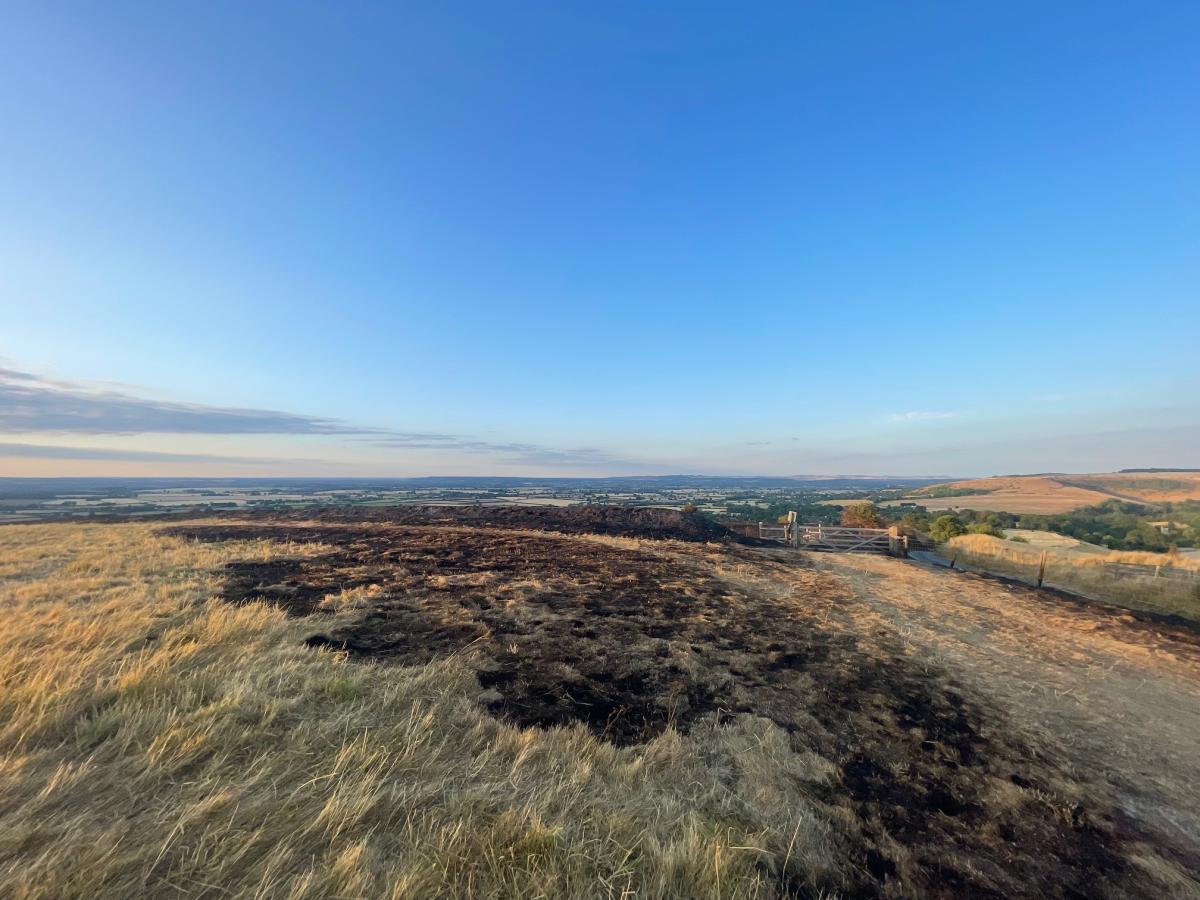
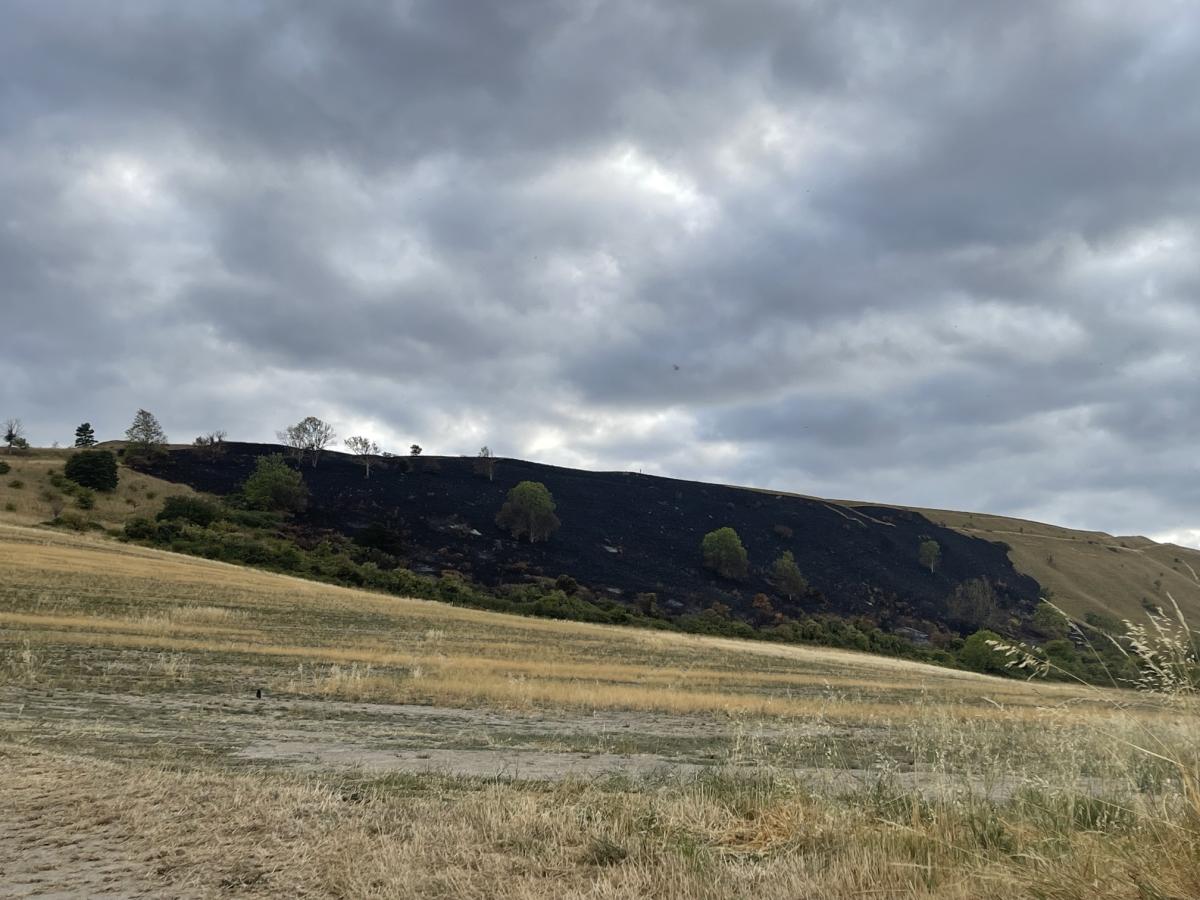
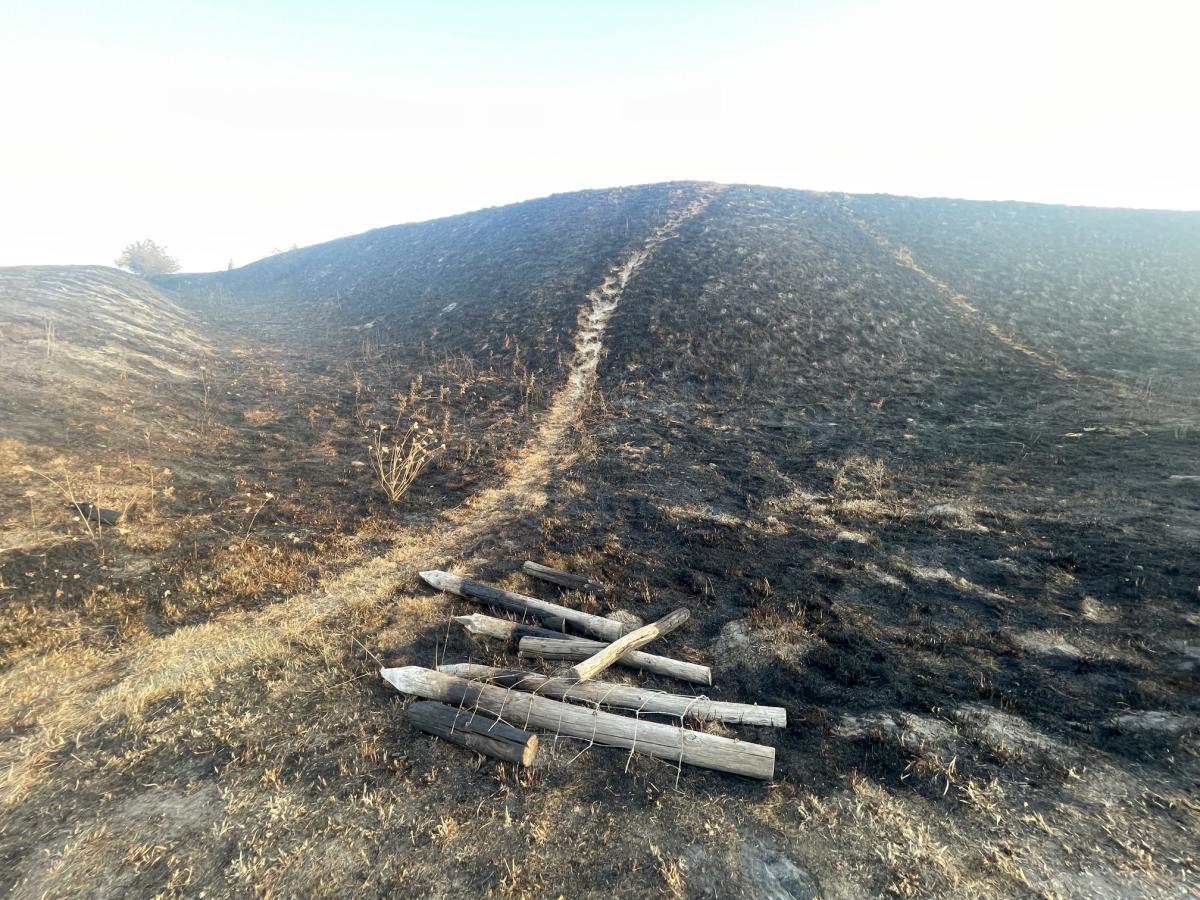
While the steep west-facing slope into which the white horse was carved in 1778 was unscathed, the north-east plateau was charred black following the devastating wildfire which started on Thursday afternoon.
Remarkably, some trees and shrubs were still standing, but the parched grass was gone, leaving black soot and the smell of burnt vegetation.
While the cause of the blaze has yet to be established, I saw glass bottles - which can pose an ignition risk - discarded on the verge of the road to Bratton village.
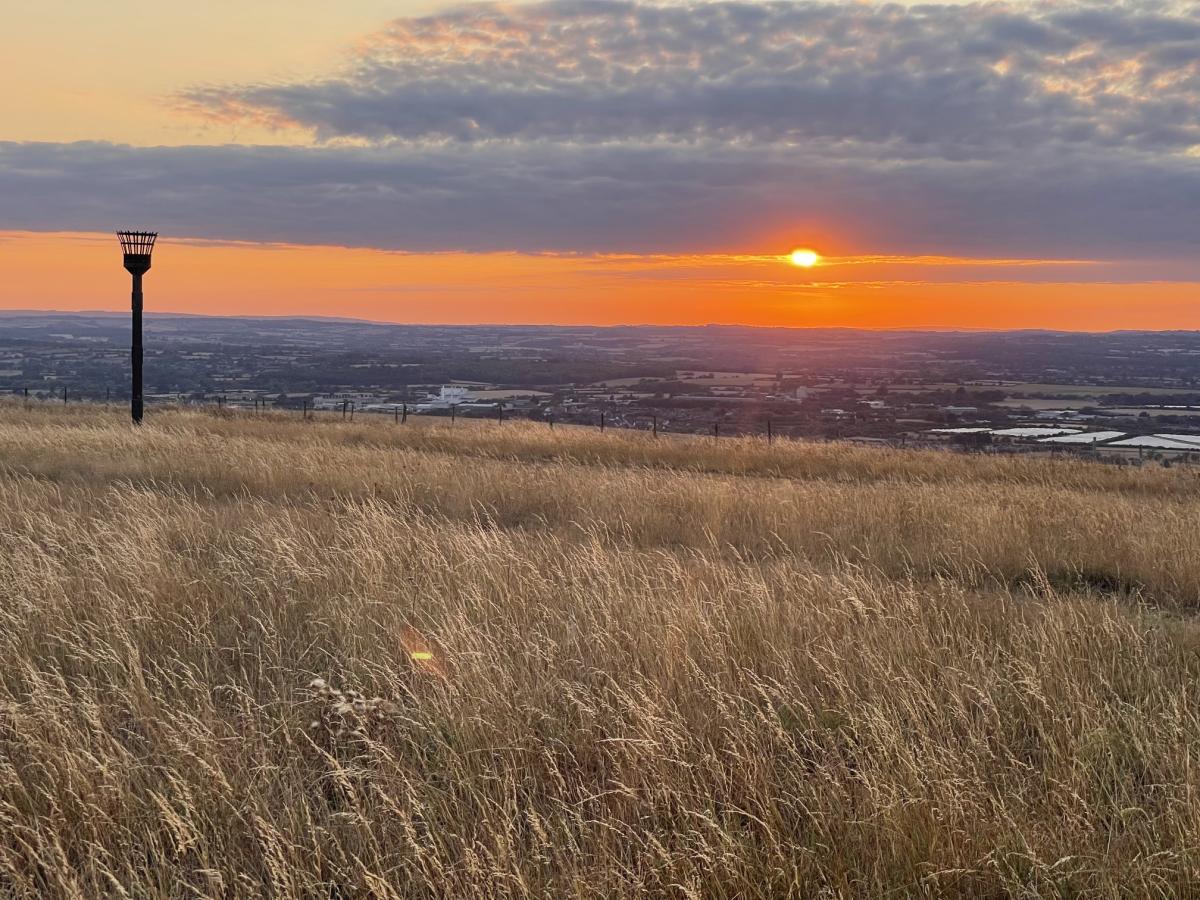
Meanwhile, smokers puffed on cigarettes whilst enjoying the flame-red sunset. It was difficult to see where butts could be safely disposed of.
On my walk around the vast area destroyed by the wildfire, a local told me how he had watched from the bottom of the hill as flames took hold.
"There was a wall of fire a mile long," he said.
Another said she was glad the westerly slope had escaped the fire. "Everybody loves the white horse. It's part of our heritage," she told me.
Incredibly, the fire had managed what Guthrum's Viking invaders had failed to do in 878 AD - breach the ramparts at the top of the hill.
Back at the white horse, paragliders descended from the hilltop, children flew kites, and the ice cream van was doing brisk trade.
A group of teenagers slid down the forehead of the white horse to socialise on his muzzle.
Full access to all of our articles online and on the app, fewer adverts, a better reading experience, exclusive competitions and more - all for less than the price of a cup of coffee. ☕️Subscribe now! - https://t.co/t7A1ayW7mR pic.twitter.com/Dk1fvaFm1K
— Wiltshire Times (@wiltshiretimes) April 13, 2026
There was no sign - I was relieved to find - of visitors lighting barbecues.
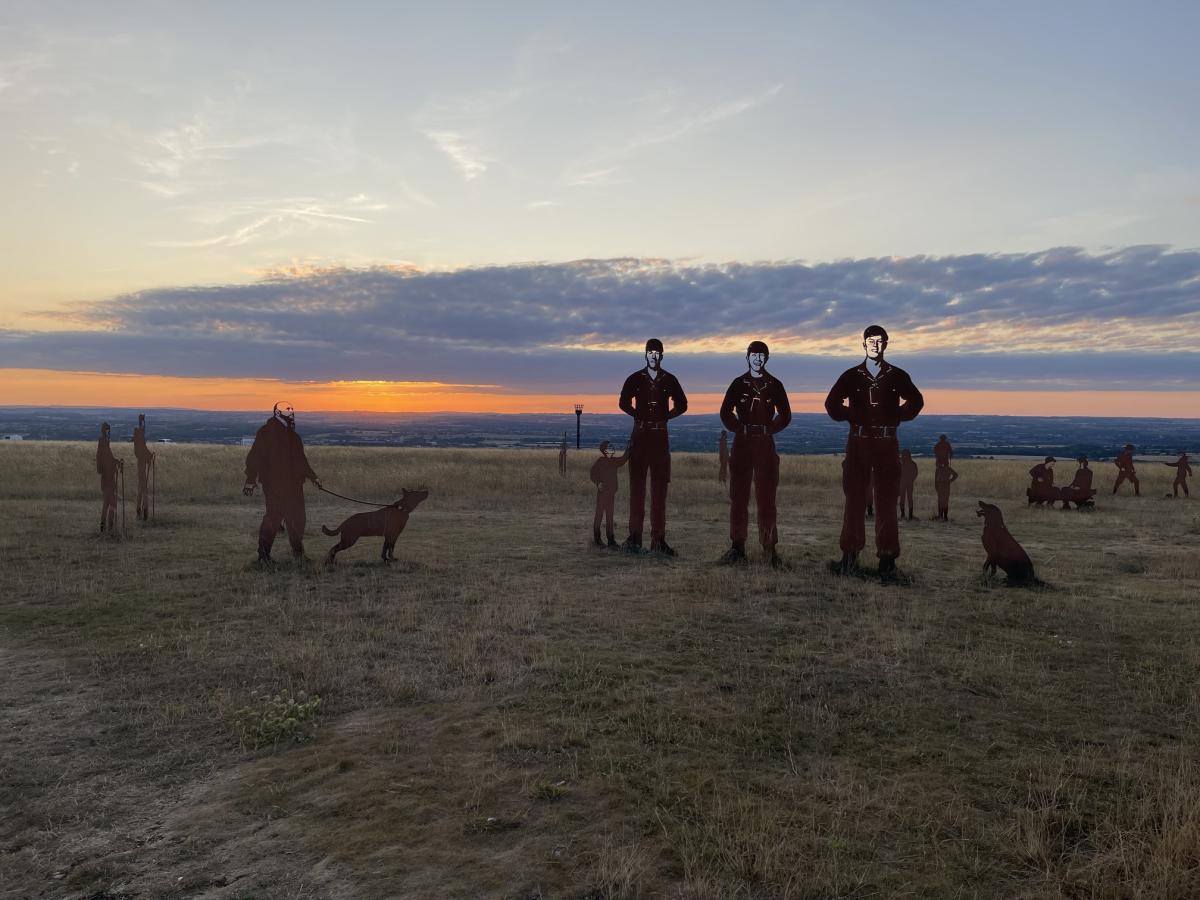
Nearby, an installation of 29 steel silhouettes - erected last year - informed visitors that the hilltop was part of an active Army training area.
And a beacon, erected for the Golden Jubilee of Queen Elizabeth II in 2002, served as a reminder that under normal weather conditions it was possible to light fires without risking the landscape.


Share