



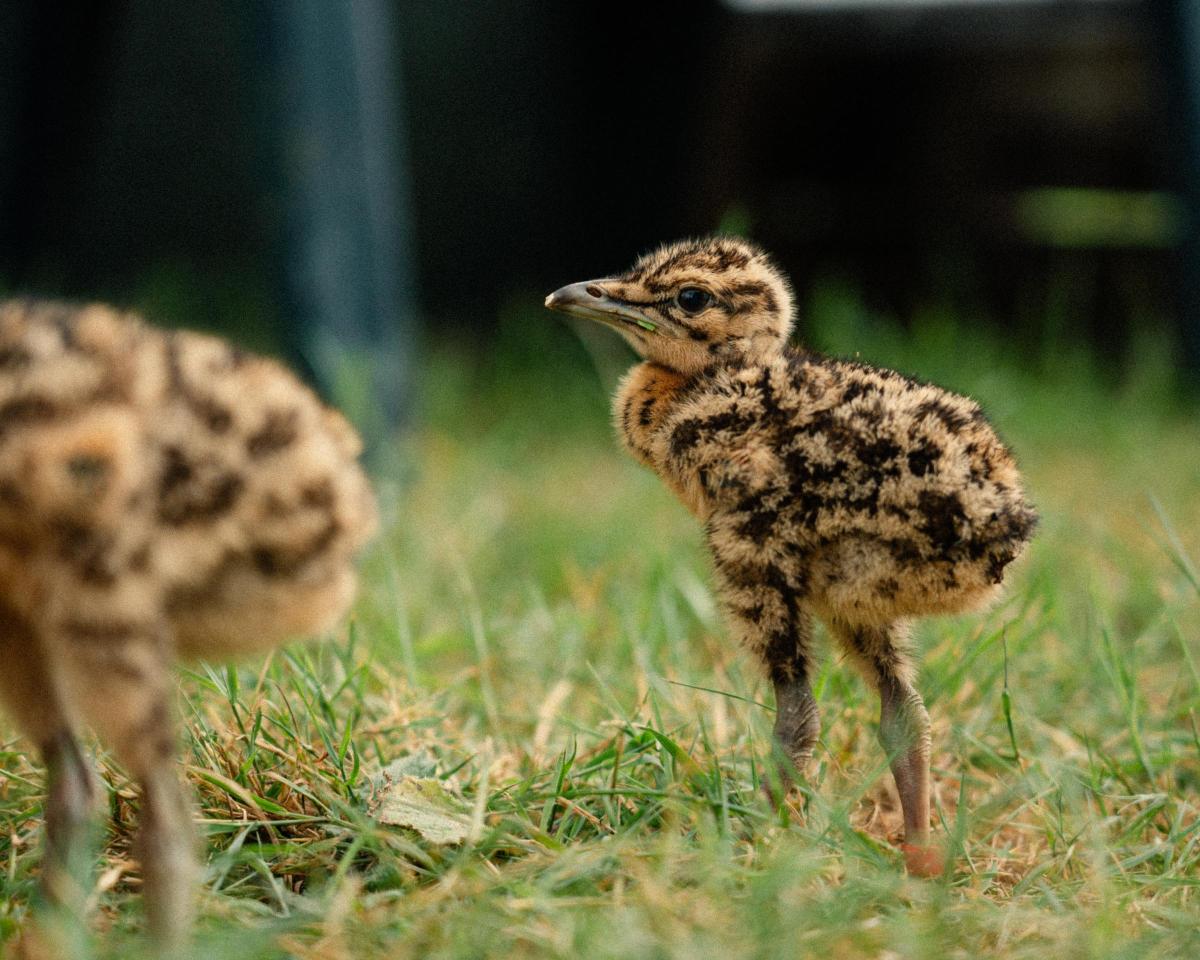
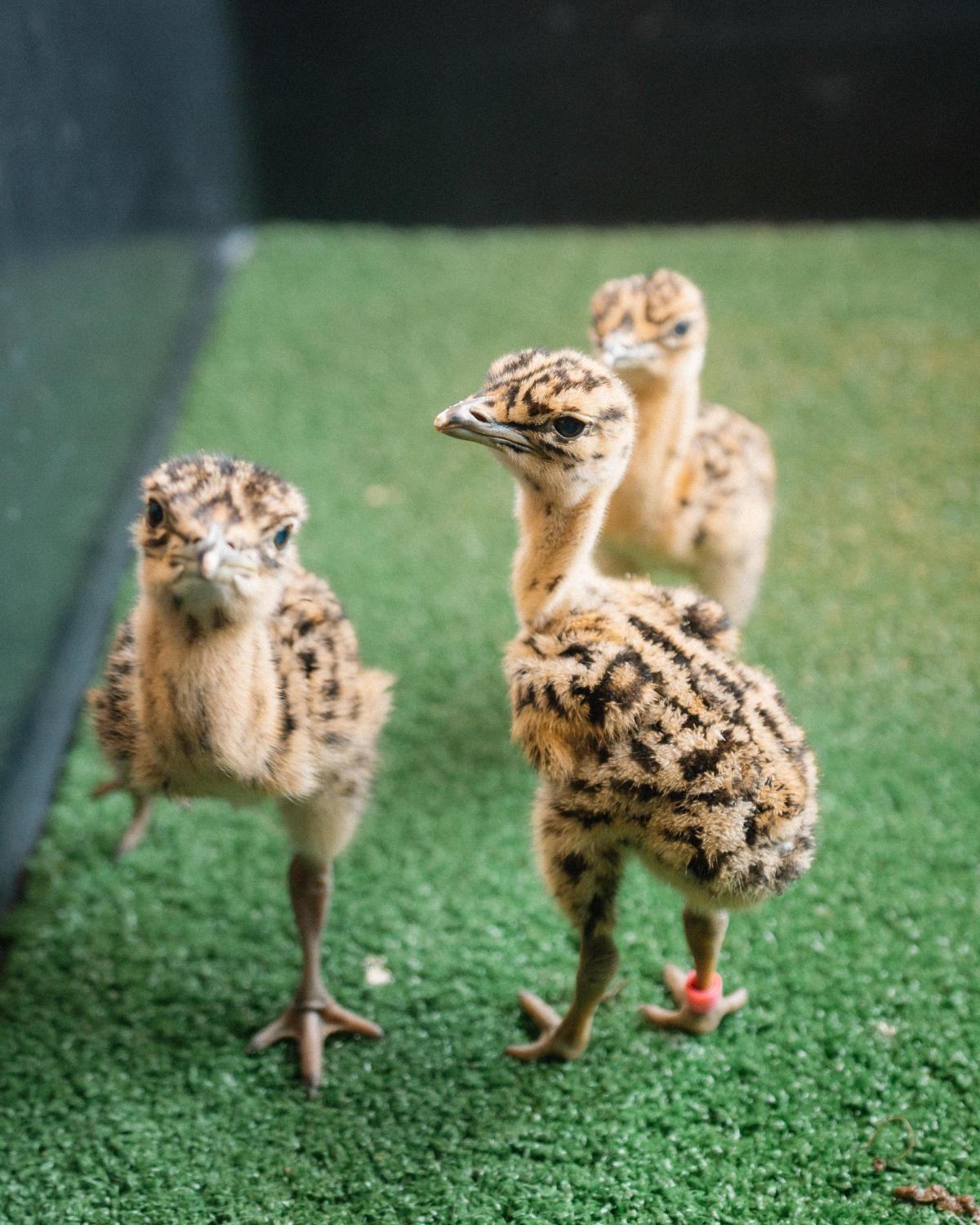

A rare bird once extinct in Britain is being given a helping hand in efforts to rebuild its population.
The Great Bustard, Wiltshire’s county bird, disappeared from the UK in the 19th century before being reintroduced to Salisbury Plain by the Great Bustard Group in 2004.
Despite its return, the species remains globally endangered, and conservationists are working to establish a sustainable population in southern England.
Longleat in Warminster is now stepping up its involvement by supporting the group’s headstarting programme and helping to form a new Great Bustard Partnership.
Headstarting involves taking eggs from nests where they are at risk of being lost to predators or farming activities.
The eggs are incubated before chicks are raised by specialists and eventually released into the wild.
A Wiltshire county flag featuring the bird will be flown at Longleat to raise awareness of the species.
Longleat has supported the project for more than five years.
Longleat’s conservation and research manager, Dr Tom Lewis, visited the project to meet this year’s chicks.
He said: “The Great Bustard Project has worked tirelessly to establish the Great Bustard back on Salisbury Plain.
“The species is an iconic bird of open farmland and grassland habitats. We hope that our increased support can contribute to ensuring the species can become a self-sustaining population in the south of England once again.”
Great Bustard Group executive officer David Waters said: “The ongoing and increased support from Longleat makes a real difference to the project, and to the UK's Great Bustard population.
"At a time when many species are declining, it is wonderful to have an increasing population of Great Bustards, and this is only possible with supported conservation actions.”
The Great Bustard Group will hold its annual Open Day Weekend on September 12 and 13, with guided visits to reintroduction sites and talks from conservation experts, including Longleat's Dr Tom.


Share