




Find, save and share Public Notices that affect you in the area.
Search the Public Notice Portal What is the Public Notice Portal?What is the Public Notice Portal?
The Public Notice Portal carries statutory public notices published in local newspapers and is the fastest and most effective way of finding out what is happening in YOUR neighbourhood.
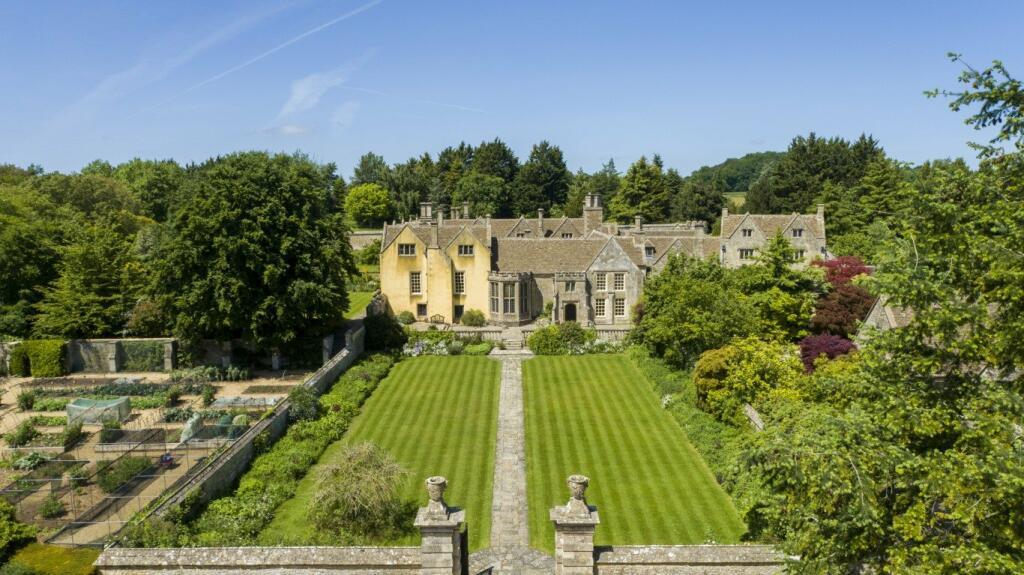
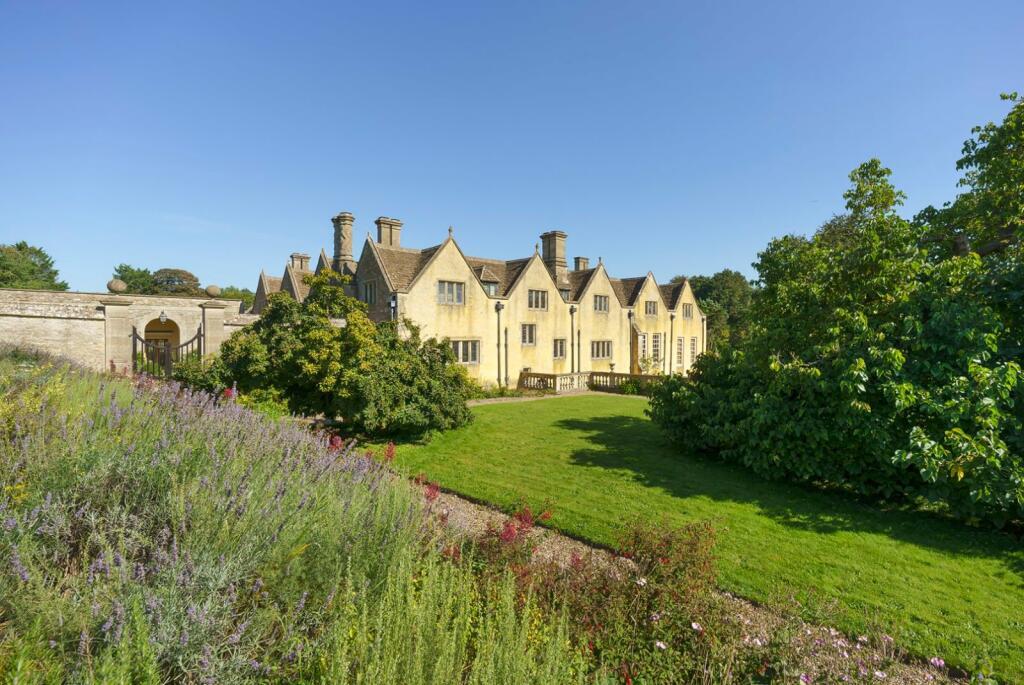
Search the Public Notice PortalA Grade I listed manor house in Wiltshire is to be converted into a posh hotel.
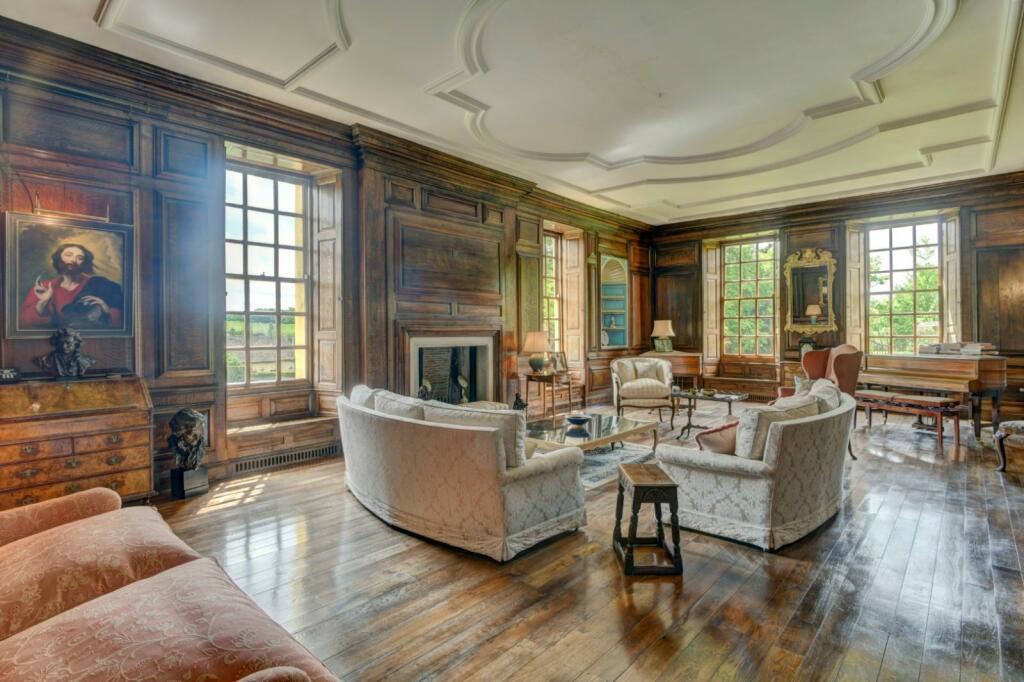
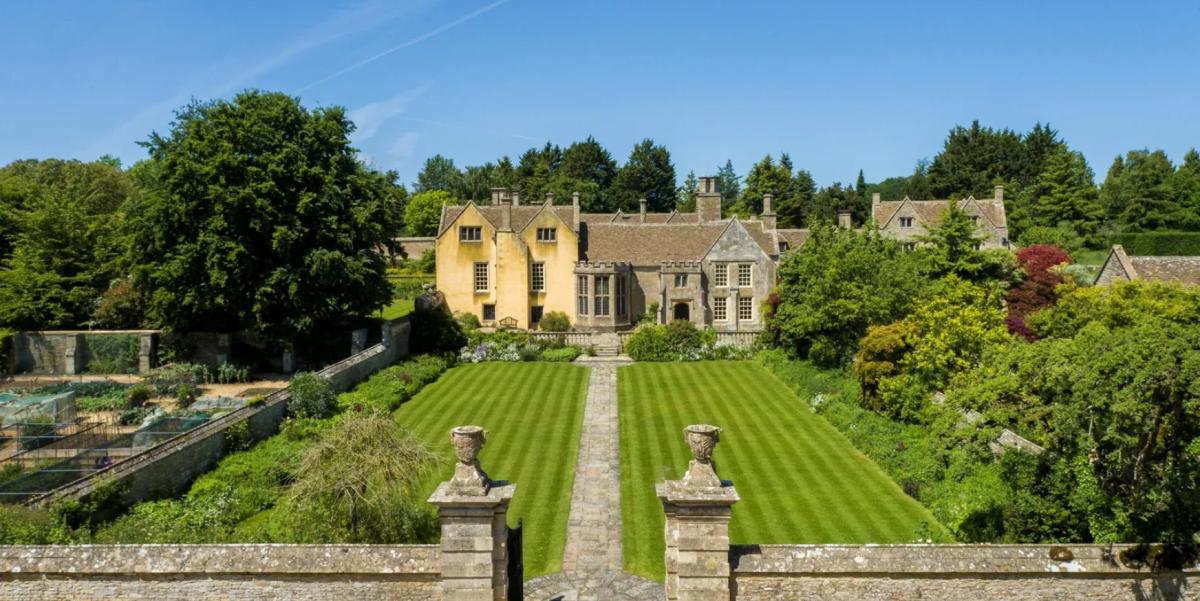
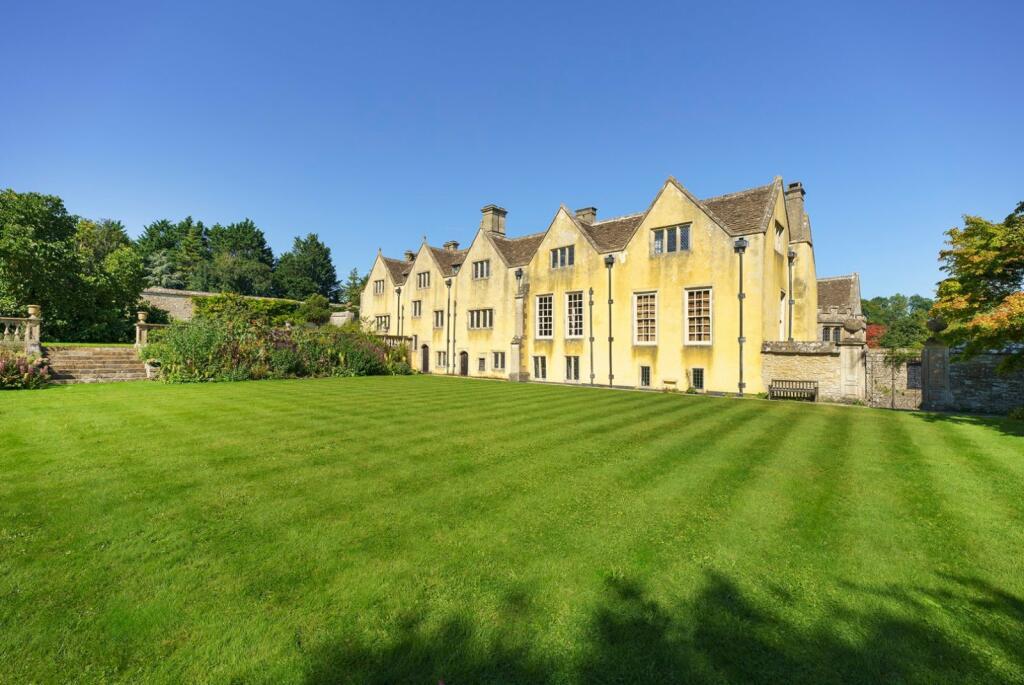
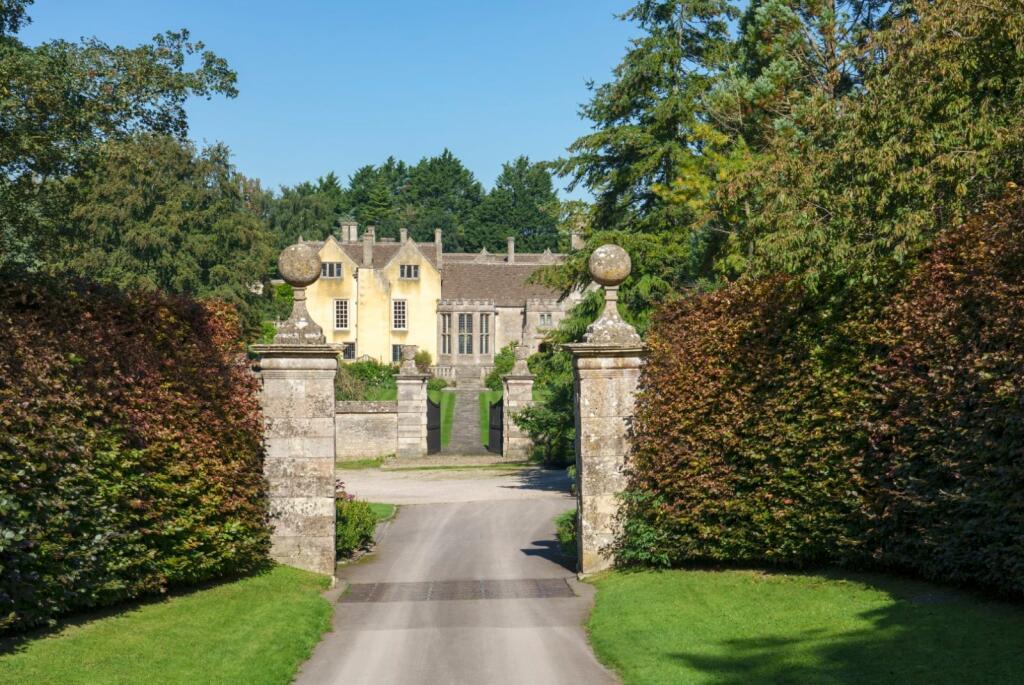
Wiltshire Council this week granted the new owners of Hazelbury Manor, at Box, permission to change the use of the 500-year-old building from residential to hospitality.
The owners said they wanted to deliver a "high-quality hospitality offer" that will support Wiltshire's visitor economy while also ensuring the long-term conservation of these significant heritage assets.
Read more
Plans to demolish former kennels of disgraced hunt revealed
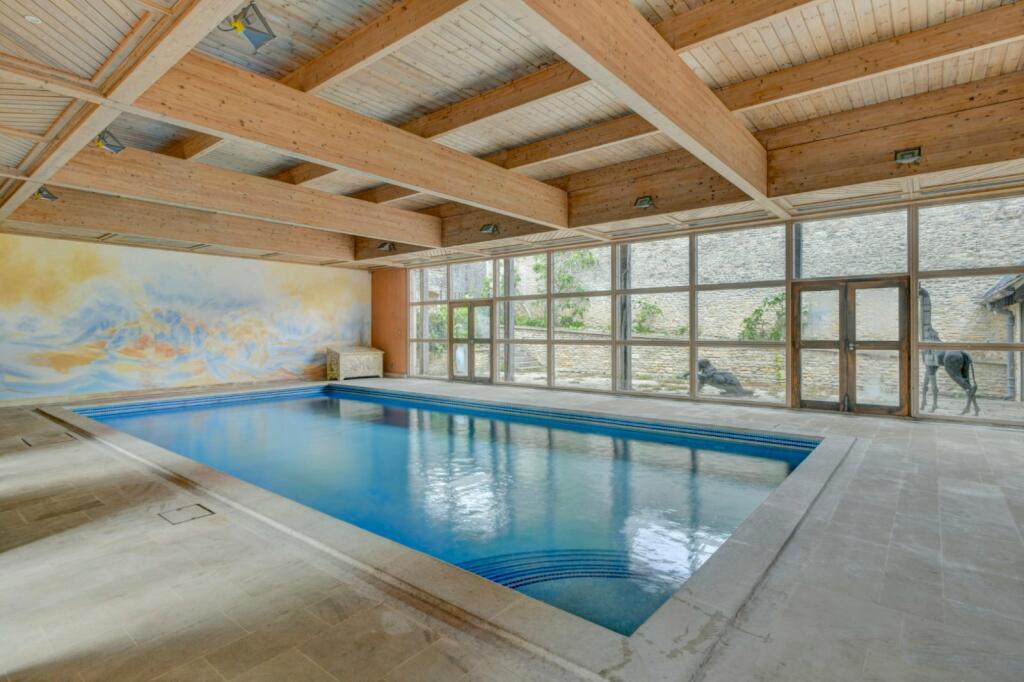
Former National Trust property could become holidays lets with swimming pool
Reopening dates revealed for 'much-loved' historic property
Rural Solutions Ltd, acting on behalf of the owners, said the manor house was "not suitable for modern living."
"It was considered that the existing layout of the property is not suitable for modern living due to its long corridors and multiple courtyard areas and extensive floorspace," they told Wiltshire Council.
"However, it is that character that makes the property entirely appropriate for use as a hotel, which is believed to be its optimal viable use."
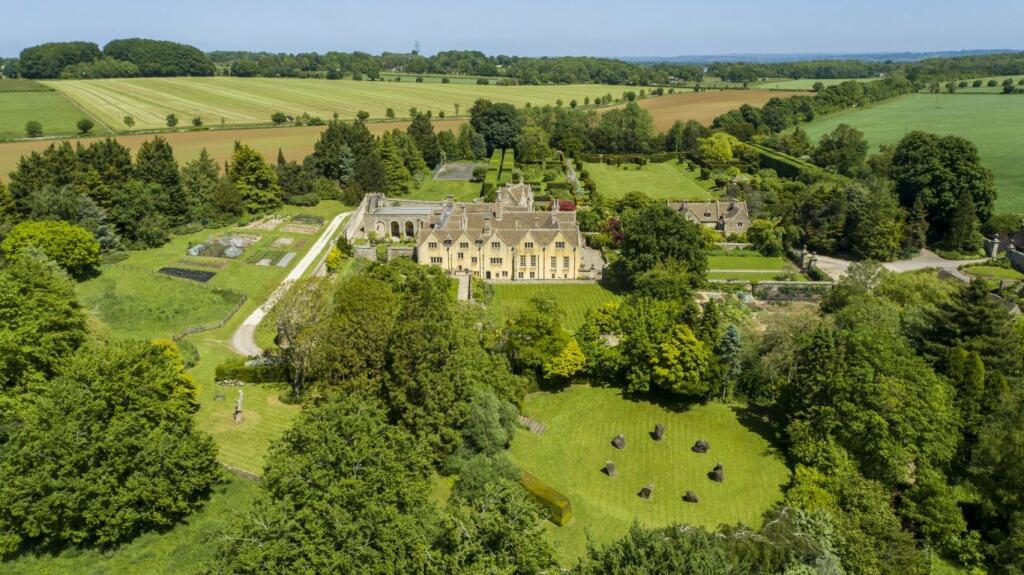
The change of use applies to the manor house, the Grade I listed Dower House, the Grade II listed Granary, and the Grade II Registered Park and Garden including the remains of a 17th century formal garden and a "quirky" yew circle built in the mid-1980s and inspired by Stonehenge - all set in 175 acres of land.
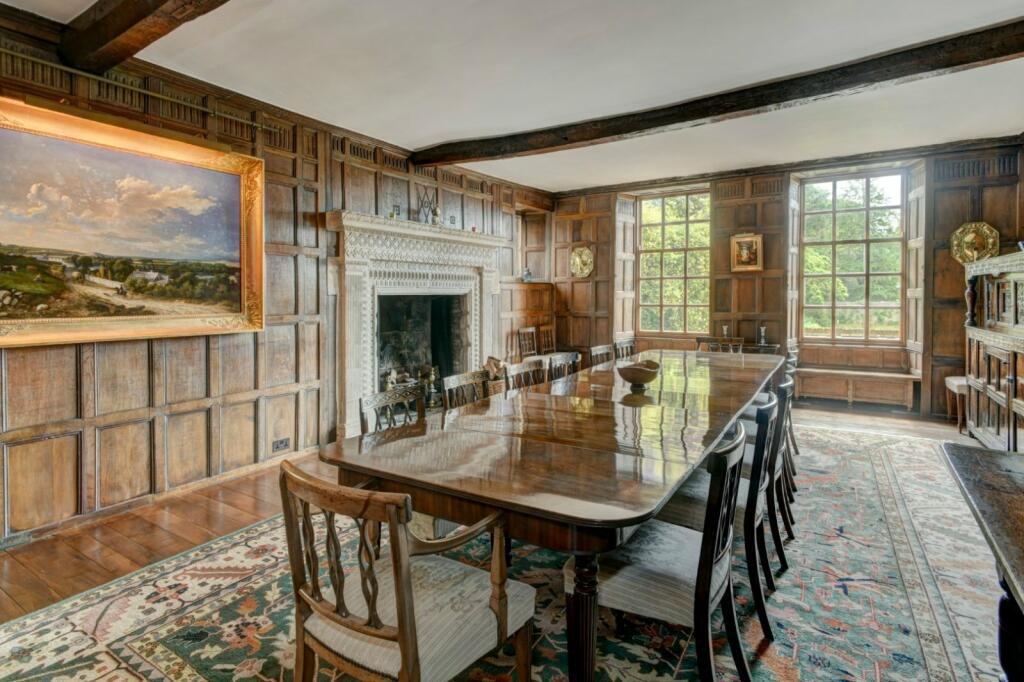
The Manor itself has a long history, with origins dating from at least the 14th century and significant development occurring between the 15th and 17th centuries. The great hall dates from the 1500s.
The building was restored and extended in the 1920s by restoration architect and architectural historian Sir Harold Brakspear and subsequently operated as a girls’ school between 1943 and 1971 before returning to private residential use.
The Dower House is physically linked to the Manor, while the Granary lies to the east of the main walled garden and has historically been used in part for residential purposes, currently comprising two residential units with associated structures.
The wider estate includes areas of agricultural land and parkland, through which a number of public rights of way pass, including bridleways and footpaths.
Box Parish Council raised no objection in principle to the planning application, subject to a wide range of concerns being satisfactorily addressed.
They said: "The Parish Council recognises that the proposed hotel use could help secure a viable long-term future for the historic buildings and wider estate, but considered that the application was lacking sufficient detail in several key areas, including traffic management, public access, the impact on heritage, trees, and landscape, and environmental impacts.
Natural England asked for mitigation to protect bats. The Garden Trust said: "The application presents an opportunity to consider the
broader implications for the Hazelbury Manor Historic Estate to provide a sustainable future for the estate and the applicant appears to be undertaking a careful, sensitive approach to its redevelopment which we welcome."
Full access to all of our articles online and on the app, fewer adverts, a better reading experience, exclusive competitions and more - all for less than the price of a cup of coffee. ☕️
Subscribe now! - https://t.co/AQ9XF2gcO2 pic.twitter.com/bYvsD2lw5e— Gazette & Herald (@wiltsgazette) April 13, 2026
The 20th Century Society said: "We would object to the loss of any Ian Pollard-designed features, such as the Yew Henge and Prospect Mounds. We regard Pollard as a notable postmodern architect, and his interventions at Hazelbury Manor as of significance.
"His Jencksian earthworks and sculptures, alongside his more traditional planting, should be treated as being of high significance."
The Society for the Protection of Ancient Buildings said "the proposed hotel use may represent a viable option to secure the long-term conservation of the site."
And the Cotswolds National Landscape Board said it supported the principle of the proposed change of use, recognising that "hotel use represents an appropriate and viable option to secure the long-term conservation of the Manor and its grounds."


Share