




Find, save and share Public Notices that affect you in the area.
Search the Public Notice Portal What is the Public Notice Portal?What is the Public Notice Portal?
The Public Notice Portal carries statutory public notices published in local newspapers and is the fastest and most effective way of finding out what is happening in YOUR neighbourhood.
Search the Public Notice PortalThree Second World War aircraft hangars could be demolished to make way for 150 houses under plans submitted to Wiltshire Council.
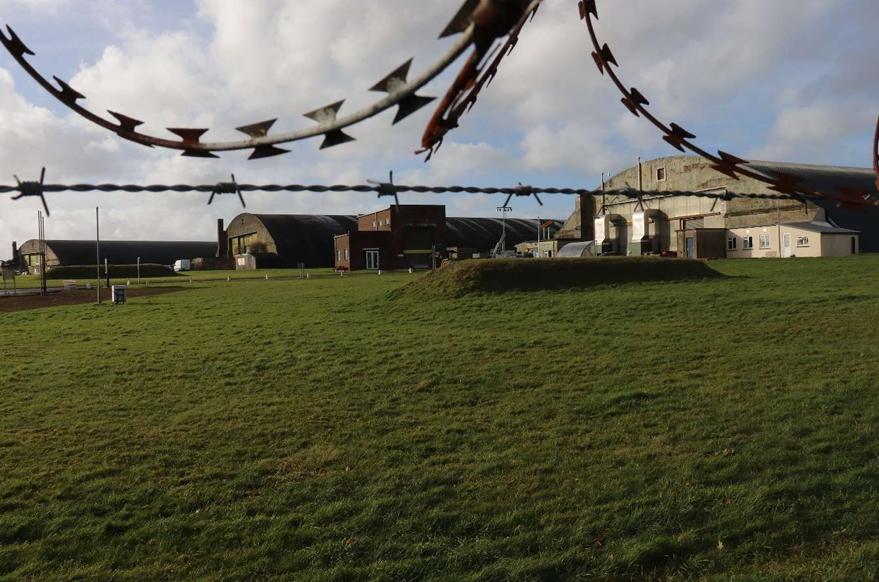
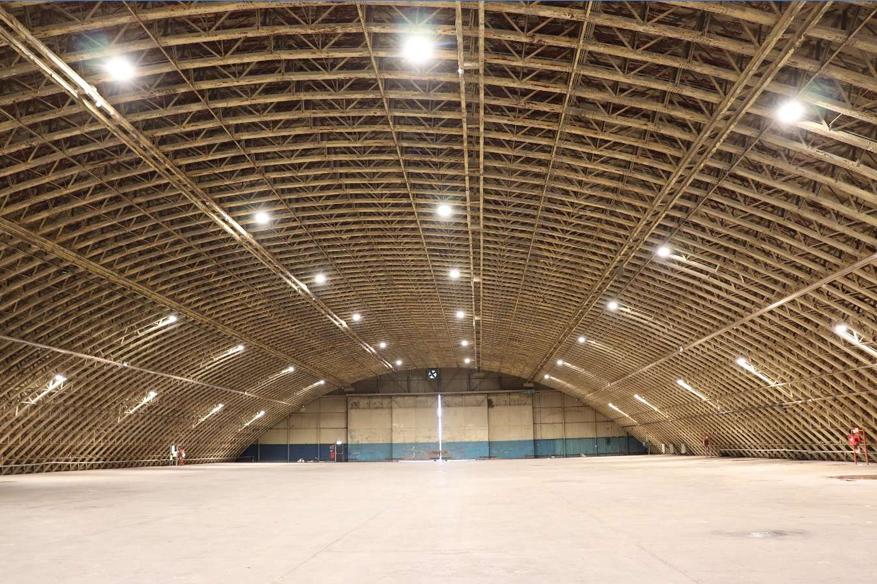
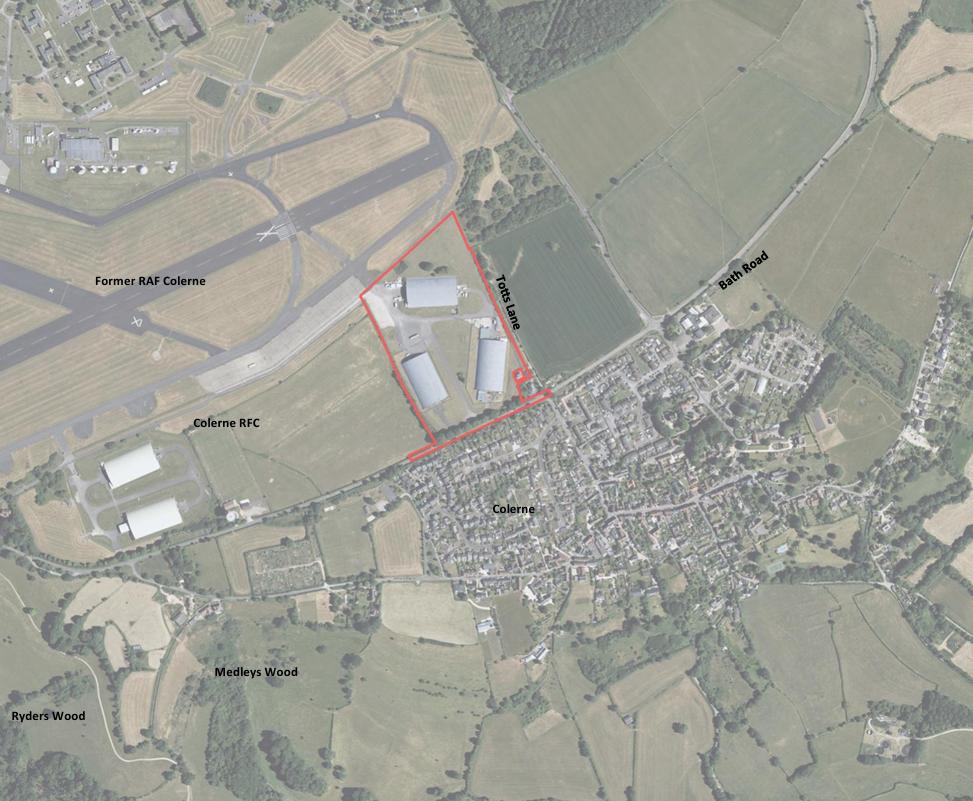
Developers want permission to demolish three former RAF aircraft hangars and redevelop the Colerne Industrial and Storage Park site, immediately north of Bath Road, creating what they describe as a natural extension to the village.
The 7.1-hectare brownfield site sits between Colerne and the former RAF Colerne airfield and is currently occupied by three large hangars, extensive hardstanding and storage areas.
Read more
Shock as D-Day airfield buildings demolished near Trowbridge
Office-to-home plans approved in shadow of iconic tower
Call to develop Wiltshire's brownfield sites as thousands of homes planned
The proposal would replace the industrial landscape with a residential neighbourhood featuring new access roads, open space, landscaping, drainage features and pedestrian links.
The outline application seeks permission for up to 150 homes, including 17 affordable properties, with detailed designs to be decided later.
Plans show development concentrated towards the southern part of the site closest to the existing village, with larger landscaped areas and drainage features to the north.
For the latest public notices and planning applications in your area, visit www.publicnoticeportal.uk
Developers argue the site is a logical location for housing because it adjoins the settlement boundary and already contains substantial built development.
They say the scheme would replace outdated industrial buildings with housing while increasing public open space and green infrastructure.
A new access would be created directly from Bath Road, alongside new footways, crossing points and links to public rights of way around the former airfield.
The plans also include ecological buffers, tree planting, areas of species-rich grassland and biodiversity mitigation.
The site has a long planning history, with several previous residential proposals having been submitted and later withdrawn.
Planning consultants for the applicant argue that extensive marketing has failed to secure long-term employment uses for the site and claim two of the three hangars are currently vacant.
The proposals would result in the loss of three wartime RAF hangars dating from 1939-40.
A heritage assessment describes the buildings as non-designated heritage assets of low significance and concludes their demolition would cause only limited harm to the wider historic importance of the former airfield.
RAF Colerne was built in 1938 as the RAF expanded rapidly in response to growing tensions in Europe. The station officially opened in 1940.
Full access to all of our articles online and on the app, fewer adverts, a better reading experience, exclusive competitions and more - all for less than the price of a cup of coffee. ☕️
Subscribe now! - https://t.co/AQ9XF2gcO2 pic.twitter.com/bYvsD2lw5e— Gazette & Herald (@wiltsgazette) April 13, 2026
During the Battle of Britain in 1940, RAF Colerne acted as a satellite airfield for RAF Middle Wallop in Hampshire.
Fighter squadrons rotated through the station to help defend south-west England and the Bristol area from Luftwaffe attacks, with Hawker Hurricanes and Supermarine Spitfires among the iconic aircraft based there.
In early 1945, RAF Colerne became associated with the dawn of the jet age, with the RAF's first operational Gloster Meteor jet squadron based there.


Share